
Can a Club or Not-for-Profit Increase Membership Fees Mid-Year?
Club & Association Governance
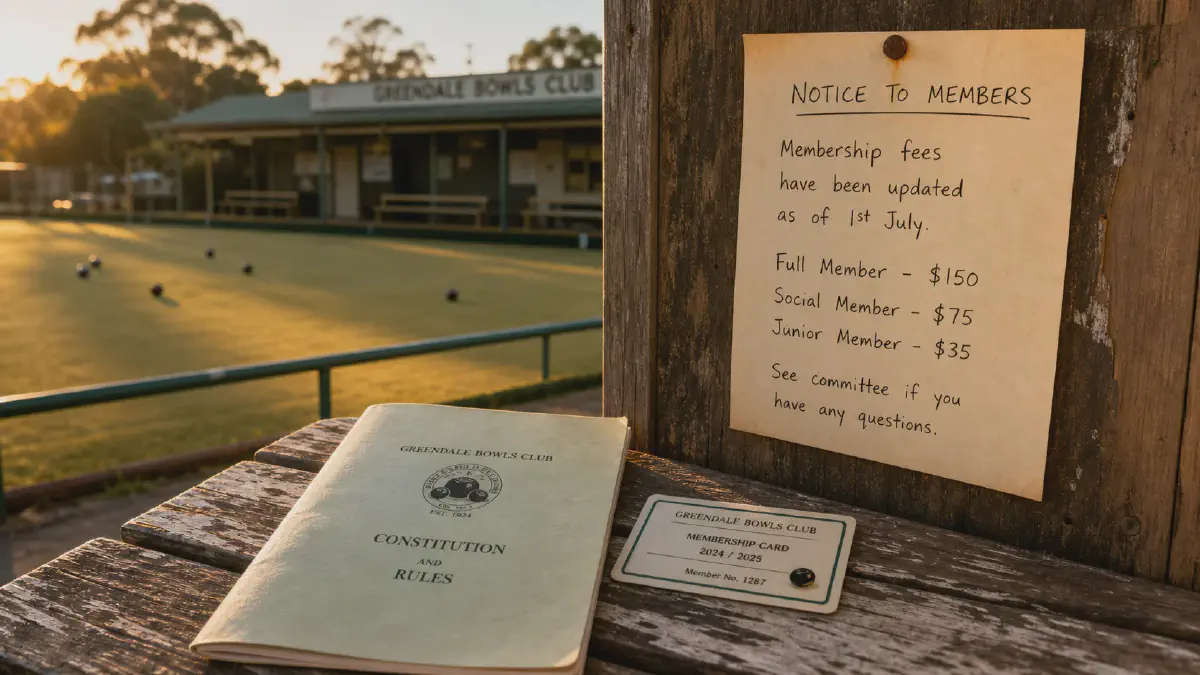
Has your local sports club, bowls club, or community not-for-profit suddenly introduced a new fee or increased existing ones partway through the year? For many Gold Coast club members, this comes as a shock — especially when they joined under a clear fee structure. Understanding your rights as a member starts with knowing how club governance actually works.
How Club Fee Decisions Are Made
Clubs and not-for-profit associations in Queensland typically operate on a financial year basis. The standard governance process is:
- An Annual General Meeting (AGM) is held, electing a management committee (or board)
- The management committee sets fees for the coming period, usually tabled and voted on at a properly convened committee meeting
- Any proposed changes to fees should be documented in the committee meeting minutes
If this process is followed correctly, members generally have limited ability to challenge a fee increase — even if it happens unexpectedly mid-year.
Your Rights as a Member
Even if you cannot challenge the fee itself, you have important rights as a member:
- Right to a copy of the constitution — the document that sets out the club’s rules and the committee’s powers
- Right to review meeting minutes — you can request the minutes of the relevant committee meeting to verify the decision was made properly
- Right to ask for justification — you can ask the club secretary what grounds the committee relied on to introduce or increase the fee
If the committee did not follow the correct process set out in the constitution — for example, if fees were changed without a properly convened meeting — that may affect the validity of the decision.
How Clubs Differ From Standard Contracts
Joining a club is not the same as entering a traditional bilateral contract with a business. Instead:
- The club’s management committee manages the organisation on behalf of all members, not as a party to an individual contract with each member
- Members can examine decisions and view the constitution, but the committee retains authority to manage the club’s affairs within its constitutional powers
- The relationship between a member and the club is governed primarily by the club’s constitution, not consumer contract law
This distinction is important — it means that concepts like “unfair contract terms” under the Australian Consumer Law may not apply in the same way as they would to a commercial contract.
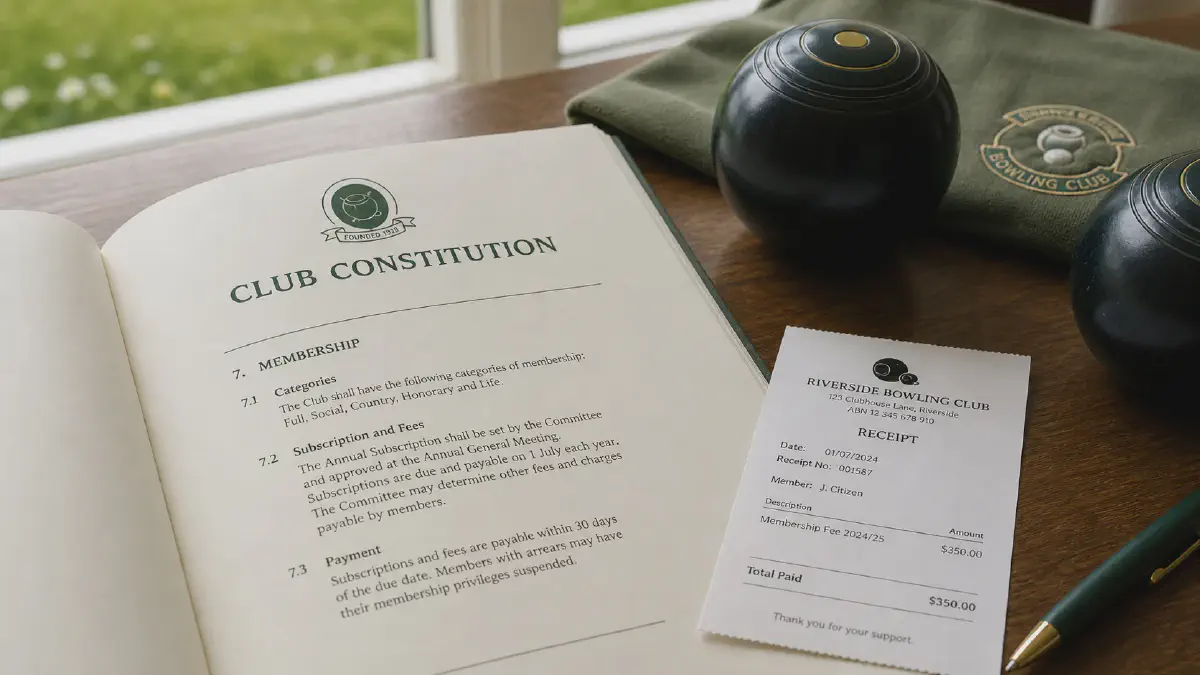
What to Do If You’re Unhappy
If you believe a fee increase was imposed improperly:
- Request the constitution from the club secretary
- Request the meeting minutes from the meeting where the change was approved
- Ask for the specific grounds relied upon to introduce or increase the fee
- If you believe the process was not followed, seek independent legal advice on your options — which may include raising the matter at the next AGM or challenging the committee’s authority through internal dispute processes
Related Topics
- QCAT and Disputes — Legal Matters Episode 7
- Consumer Law Practice Area
- Legal Matters Episode 21 — De Facto Rights, BFAs & Auction Disclosure
Need Advice on a Club or Association Dispute?
If you believe a club committee has acted outside its constitutional powers, our team can advise you on your rights and options.
📞 (07) 5532 8777 | 🌐 bellsenior.com.au | Contact us
Need Specific Legal Advice?
The answers above are general. For advice tailored to your specific situation, contact our Southport solicitors today.
Enquiry Sent
Thank you. Our team will contact you shortly.