
Who Owns My YouTube Channel if an Editor or Agency Built It?
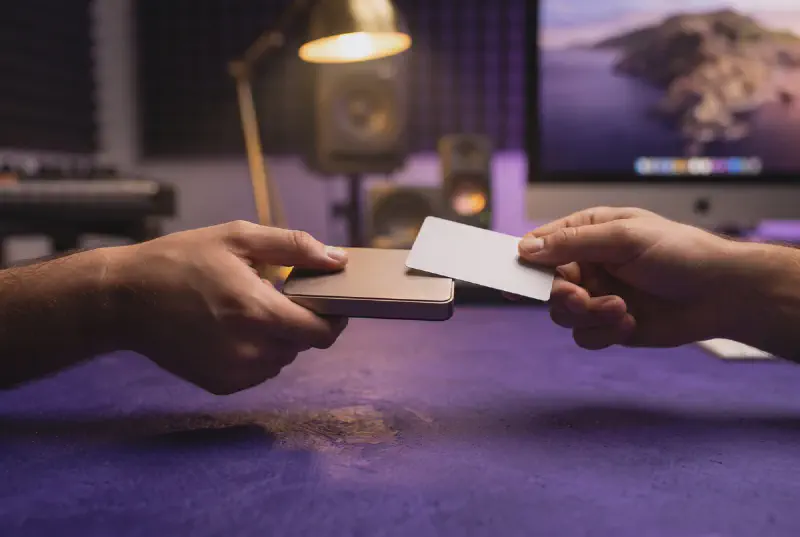
Your YouTube videos and your YouTube account are two different assets, and they are not owned in the same way. Understanding who holds copyright in the videos and who controls the account helps you avoid losing both when a relationship ends.
An agency that built the channel may hold the login, while an editor may hold copyright in the edits. Both need a written agreement to move clearly to you.
Who owns what
Copyright in a film is generally owned by its maker, the person who undertook the arrangements necessary for making it, subject to any agreement. Other material in a video, such as scripts, graphics, thumbnails, music and edits contributed by a contractor, may carry its own copyright owned by the contributor unless assigned in writing signed by the owner (s 196(3)).
Work created by an employee in the course of employment is generally owned by the employer (s 35(6)). The distinction between an employee and a contractor therefore affects who owns what from the start.
A YouTube channel is different. It is an account governed by Google’s terms, not a piece of property in the usual sense. Control depends on who holds the account or Brand Account roles, such as the primary owner. That title and the permissions around it are set inside YouTube Help, and the current role names should be checked there.
Agencies sometimes set up channels under their own Google accounts for convenience. Without a written agreement, recovering control can be slow and uncertain, especially if the agency also holds the raw footage and project files.
Practical steps to secure both
Use a written agreement before the channel grows, not after a dispute.
- Account: the creator or their company should be the primary owner; the editor or agency holds a lesser role such as manager. Record the Google account that is primary and keep recovery details with the business.
- Copyright: include an assignment of copyright in all contributions, present and future, in writing signed by the owner, covering videos, graphics, thumbnails and edits.
- Moral rights: include consent to acts that would otherwise infringe moral rights, such as editing or not attributing, while preserving attribution where you want it.
- Handover: require delivery of raw files, project files, exports and passwords on request and on termination, with an obligation to transfer primary ownership within a set time.
- Interim access: if an agency must set up the account, require it to create the channel under the creator’s Google account or to transfer primary ownership immediately after it is created.
Contractors also hold moral rights, including attribution, and can consent to acts that would otherwise infringe them. Recording that consent at the same time as the assignment avoids a later objection to an edit or a re-upload.
Example
A creator’s agency set up the channel three years ago under the agency’s Google account and edited every video. When the relationship ends, the agency refuses to hand over primary ownership and the raw footage. With a written agreement that names the creator’s company as primary owner and includes an IP assignment and handover clause, the transfer is a contractual step. Without it, the creator must negotiate access and may need advice to recover both the account and the files.
See Also
- A creator’s guide to YouTube copyright claims and strikes
- Who owns video content made by an editor or contractor?
- Protecting your intellectual property
- Developers: contractors or employees?
This page provides general legal information only; it is not personal legal advice. Everyone’s situation is different, so please seek independent legal advice for your own circumstances.
Need Specific Legal Advice?
The answers above are general. For advice tailored to your specific situation, contact our Southport solicitors today.
Enquiry Sent
Thank you. Our team will contact you shortly.