
What If an Executor Does Not Distribute an Estate Properly?
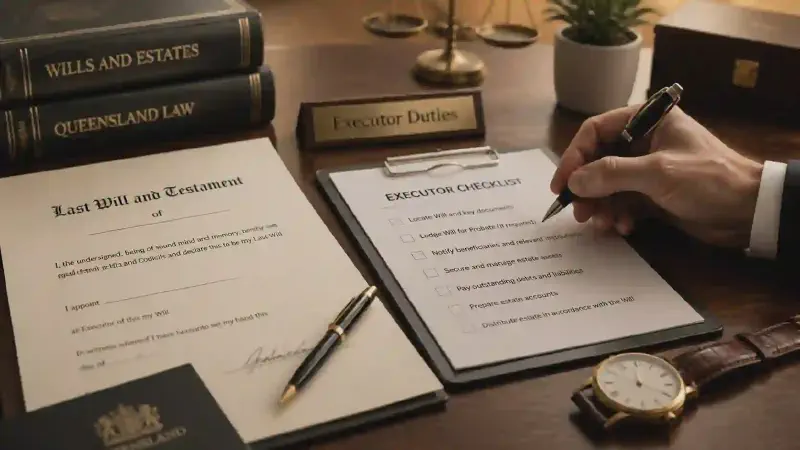
Executors occupy a position of trust. When someone dies, the executor named in their will is responsible for administering the estate according to the will and the law. Most executors do this diligently. Occasionally, however, beneficiaries believe the estate has been mismanaged or not distributed properly. An executor’s core tasks are to collect the deceased’s assets, pay valid debts and expenses, and distribute what remains to the correct beneficiaries. They must act in the best interests of the estate as a whole, not favour one person over another, and keep appropriate records of what they have done.
What does mismanagement look like?
Executor mismanagement can take many forms. Common examples include:
- Failing to distribute the estate in accordance with the will
- Unreasonable delay in administering or finalising the estate
- Favouring one beneficiary over others without legal justification
- Using estate funds or assets for personal benefit
- Ignoring instructions or conditions in the will
In some cases, the problem is a lack of communication rather than misconduct. Beneficiaries may not realise how long probate and estate administration can take, especially where assets are complex or there are disputes. In other cases, there is genuine mismanagement that needs to be addressed.
How long do you have to act?
In Queensland, many civil claims against executors are subject to a six‑year limitation period calculated from the date of death. That means if you believe an estate has not been administered or distributed properly, you should seek advice well before the sixth anniversary of the death. Some specific types of claims, such as family provision applications, have much shorter time limits and should be brought within months, not years.
Leaving concerns unresolved until the limitation period has nearly expired can make it harder to investigate what has happened and to gather evidence. Early advice allows beneficiaries to understand whether there is a genuine issue and what remedies may be available.
Is this a matter for the police?
Most executor disputes are civil, not criminal. Unless there is clear evidence of fraud or other criminal behaviour, the police will usually say it is a civil matter. Remedies typically involve court orders requiring the executor to account, to step down, or to compensate the estate, rather than criminal prosecution.
If you believe an executor has mismanaged an estate, the first practical step is to obtain a copy of the will and any probate documents, then seek advice from a wills and estates practitioner. They can help you understand whether the conduct falls within normal bounds or whether further action is warranted.
See also
- Wills and Estates FAQ – /faq/wills-estates/
- Wills, executors and disputes episode – /legal-matters/drones-rental-cars-parenting-relocation-legal-questions-18-august-2026/
- Separation and inheritance concerns – /legal-matters/drones-rental-cars-parenting-relocation-legal-questions-18-august-2026/
- Succession Act 1981 (Qld) Pt 4 and limitation periods for estate-related claims.
https://www.legislation.qld.gov.au/view/html/inforce/current/act-1981-014
Need Specific Legal Advice?
The answers above are general. For advice tailored to your specific situation, contact our Southport solicitors today.
Enquiry Sent
Thank you. Our team will contact you shortly.