
Legal Matters: QLD Property Law Changes, Form 2 Disclosures & Body Corporate Plumbing
In this episode of Legal Matters on 4CRB, Andrew Bell and Colin Balewski dive into the turbulent Gold Coast property market. With housing prices breaking historical records, Andrew explains the massive, critical changes to Queensland property law that abolish the “Buyer Beware” model through the mandatory Form 2 Seller Disclosure Statement.
The duo also tackles live listener phone calls covering Body Corporate responsibilities for broken plumbing, whether long-term boarders can claim your property, and how to protect yourself during the vulnerable period between signing a contract and settlement day.
Key Topics
- Property Law Overhaul: How the new Property Law Act upends property sales in Queensland.
- The Form 2 Seller Disclosure: What it covers, what it ignores, and the extreme risks faced by sellers who make mistakes on it.
- Property Insurance Risks: Why both buyers and sellers might temporarily need insurance on the same property.
- Boarder Rights vs. Homeowner Rights: Debunking myths about squatters, boarders, and claiming property ownership.
- Strata Plumbing Disputes: How to determine if you or the Body Corporate is responsible for failing pipes inside your apartment walls.
- Peace and Good Behavior Orders: Dealing with neighbor harassment and defamation legally.
Listener FAQ Highlighted In This Episode
- What is a Form 2 Seller Disclosure?
- Who is responsible if a property is damaged between signing a contract and settlement?
- Who pays for plumbing repairs inside apartment walls in QLD?
- Can a boarder claim physical ownership of my house?
- Do lawyers charge fees to hold and release Wills and EPOAs?
- How do I apply for a Peace and Good Behavior Order?
- Do I have to pay a call-out fee if my item is under warranty?
Listen to the full discussion above.
Key Takeaways
- No More Buyer Beware: Sellers in Queensland face a positive obligation to prepare a Form 2 Seller Disclosure Statement before presenting a contract. If errors are made, buyers can cancel the contract without penalty right up to settlement.
- Form 2 Doesn’t Cover Defects: Buyers should still conduct independent building and pest inspections, as the Form 2 does not cover physical structural soundness or flood maps.
- Buyers Insure Promptly: Property risk transfers to the buyer upon signing a contract. A buyer should take out building insurance immediately, before settlement.
- Sellers Maintain Insurance: If a contract crashes due to a technicality, you still own the home. Do not cancel your insurance until settlement is completely finalized.
- Formalize Boarder Agreements: Paying boarders do not gain ownership of a property over time. However, any informal rental arrangement should be formalized in writing to clearly dictate eviction terms.
Annotated Transcript
[!WARNING] Sellers: A Single Error on Form 2 Can Void Your Sale Under Queensland’s new Property Law Act 2023, if your Form 2 Seller Disclosure Statement contains any inaccuracies, the buyer has the right to cancel the contract with no penalty at any point up to and including settlement. You may still owe your real estate agent’s commission. Engage a property lawyer before you list your property.
Contact our property law team today to prepare a legally watertight Form 2 and protect your sale.
Gold Coast Property Market & Legal Changes
The Gold Coast surpasses Sydney as the most expensive unit market, and new property legislation drastically alters the sales landscape.
Colin Balewski: Good morning to Andrew Bell from Bell and Senior Lawyers. Today, we are taking listener questions and discussing a complete guide to the Gold Coast property market for buyers and sellers. Andrew, let’s start with a summary of the current market and the new property laws.
Andrew Bell: Property law in Queensland has changed significantly over the last few years. It’s nowhere near as simple as it used to be. The government overhauled the Property Law Act, which went into effect last year.
At the same time, the Gold Coast property market has transformed. We have just overtaken Sydney as the most expensive unit market in Australia, and house prices are now averaging $1.32 million. With these high stakes, the new rules have strict deadlines and significant consequences for getting things wrong. The way you thought you could sell a house probably isn’t the way you can sell a house today.
The New “Form 2” Seller Disclosure Statement
Applying the Property Law Act 2023 .
📎 See also: Form 2 Seller Disclosures

Colin: There is a new seller disclosure form. What has fundamentally changed for sellers since August of last year?
Andrew: Previously, Queensland operated under a scheme called Caveat Emptor, or “Buyer Beware.” This meant buyers were responsible for all property searches before purchasing. If they didn’t raise issues during the contracted period, they had to live with what they bought.
This changed significantly on August 1st last year. Modeled on Victorian legislation, Queensland introduced a mandatory seller disclosure scheme. Every seller of residential, commercial, or vacant land must now prepare a Form 2 Seller Disclosure Statement and provide it to the buyer before the buyer signs the contract.
Colin: To clarify: previously, the buyer had to do all their own due diligence. Now, the seller has to prepare these searches and provide them in advance?
Andrew: Exactly. Previously, a real estate agent could just prepare a contract and have it signed. Now, the seller has a positive obligation to create this Form 2 beforehand.
Colin: But the Form 2 doesn’t cover everything, does it?
Andrew: No, it doesn’t. For buyers, it’s important to know that the Form 2 does not include information on the structural soundness of the property, flooding history, pest infestations, or known building defects. It mainly covers technical details like Body Corporate information, easements on the property, title details, and zoning classifications.
Crucially, the Form 2 cannot be rectified once you’ve created it. If there are any errors on that form, the buyer can cancel the contract with no penalty at any time up to and including settlement.
Colin: So, if you’re selling a property, you have to get it right, otherwise the buyer has an out clause?
Andrew: Absolutely. The Form 2 must be 100% correct. If a buyer cancels because of an error, the seller might still be liable to pay the real estate agent’s commission, even though they didn’t keep the deposit or sell the house. Because this needs to be prepared before presenting a contract, sellers need to engage a lawyer before putting their property on the market. Furthermore, we actually recommend that buyers redo the searches listed in the Form 2 just to verify the information is correct.
Caller 1 — Rod | Does Form 2 Apply to Auctions?
Rod (Caller): If you auction your house, do you still have to provide a Form 2 and a building and pest report?
Andrew: Yes. If you are doing an auction, the Form 2 material must be prepared and available for anyone to review before they bid, and a copy must be given to the successful bidder.
While the Form 2 doesn’t cover building and pest inspections, most sellers at auction will provide a building and pest report beforehand. Buying at auction is still “buyer beware.” If there are building issues, you take them on when you purchase at auction because there is no standard 14-to-21-day cooling-off period.
Caller 2 — Beryl | Property Insurance During Settlement
📎 See also: Who Bears Property Risk at Contract Signing?
Beryl (Caller): When purchasing a property, the buyer is required to take out insurance, but the seller still has the property insured as well. Isn’t this double dipping?
Andrew: These aren’t strict legal requirements; they are risk management activities. Under common law, the moment a buyer signs a contract, the liability for any damage transfers to them. Therefore, it is prudent for the buyer to get insurance immediately in case the house burns down before settlement.
However, if you are selling your property, I strongly advise you not to cancel your insurance until the very last minute. If the contract crashes, for example, due to a defect in the Form 2—the buyer can cancel. If the property is damaged and the contract falls through, the seller is left holding the bag. It’s up to both parties to manage their own risk.
Caller 3 — Helen | Do Boarders Have Property Rights?
Helen (Caller): I have a boarder living downstairs. A friend told me that if they’ve been there for at least two years, they can claim half of the house. Is that true?
Andrew: That does not sound correct. In Queensland, if your name is on the title, you own the property. There are special rules around “adverse possession” after 12 years if someone treats a property exclusively as their own, but that is a very rare scenario and doesn’t apply to a paying boarder.
The idea of claiming half a property after two years likely comes from de facto relationship laws, which do not apply to a standard landlord-boarder relationship. However, if they are paying you rent, I highly recommend putting a formalized rental agreement in place. This protects you if they stop paying rent or if you need to evict them in the future.
Caller 4 — John | Wills and Solicitor Storage Fees
John (Caller): If a solicitor is holding your Will, Enduring Power of Attorney, and Health Directive, do they charge your family a fee for holding onto those documents after you pass away?
Andrew: That depends on the individual agreement you signed with the solicitor, but holding documents for “ransom” is uncommon. Many firms charge a very small fee for secure storage. As long as family members provide the correct identity documents (and a death certificate, if going through probate), they should be able to get certified copies of those documents without facing exorbitant charges.
Caller 5 — Barbara | Strata Plumbing: Body Corporate vs. Owner Responsibility
📎 See also: Who pays for Body Corporate plumbing?
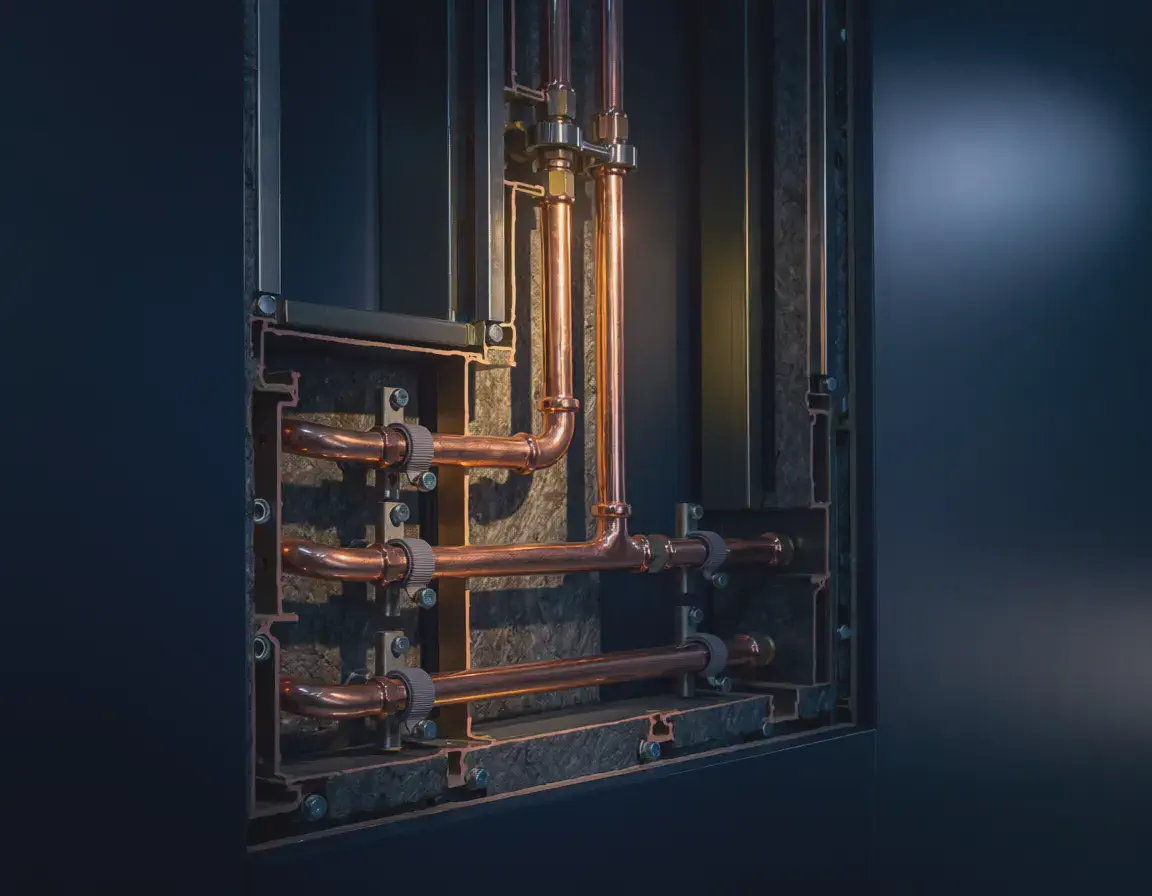
Barbara (Caller): We own an apartment and have extreme plumbing issues, the pipes are drumming in the walls so badly that it’s cracking the tiles. The Body Corporate is refusing to take responsibility. What should we do?
Andrew: In a unit situation, responsibility depends on where the plumbing is located. Generally, anything from the wall outward into your apartment is your responsibility (known as utility infrastructure). Anything inside the walls that services the building is typically the Body Corporate’s responsibility (known as common property).
Because your tiles are cracking, you need to investigate which specific pipes are causing the issue. I recommend hiring a plumber who knows how to differentiate between common plumbing and utility plumbing. Put the Body Corporate on notice that you are investigating, and if the plumber determines the issue is inside the wall (common property), you can ask the Body Corporate to bear the cost and contribute to the repairs.
Caller 6 — Anthony | Dealing with Harassing Neighbors
Applying the Peace and Good Behaviour Act 1982 .
📎 See also: Applying for a Peace and Good Behavior Order
Anthony (Caller): I have a neighbor who is posting defamatory comments online, sending letters to other neighbors, and disturbing my peace. I went to the police, and they suggested lodging a “disturbing the peace” complaint at the courthouse.
Andrew: Yes, you can apply for a “Peace and Good Behavior Order” against someone through the Magistrates Court. This means they must adhere to the order’s conditions. If they continue their harassing behavior, they are committing a criminal offense. If you are struggling to handle this on your own, you can engage a lawyer or reach out to Community Legal Aid for assistance with the application.
Caller 7 — Val | Call-Out Fees vs. Warranty Claims
Val (Caller): I bought a newly installed air conditioner. I didn’t know how to use it, so I called them to show me how to set the temperature. They sent an electrician, but later billed me $99. Shouldn’t this be covered under warranty?
Andrew: While they ideally should have informed you of the call-out fee beforehand, this does not classify as a warranty issue. A warranty covers mechanical defects. Because you were just asking for instructions on how to use the programming, a $99 call-out fee for a tradesperson’s time is reasonable and valid. In the future, always ask if there will be a fee associated with a call-out before booking the visit.
Disclaimer: This transcription provides general legal information only; it is not personal legal advice. Everyone’s situation is different, so please seek independent legal advice for your own circumstances.