
Property Settlement Time Limits After Separation
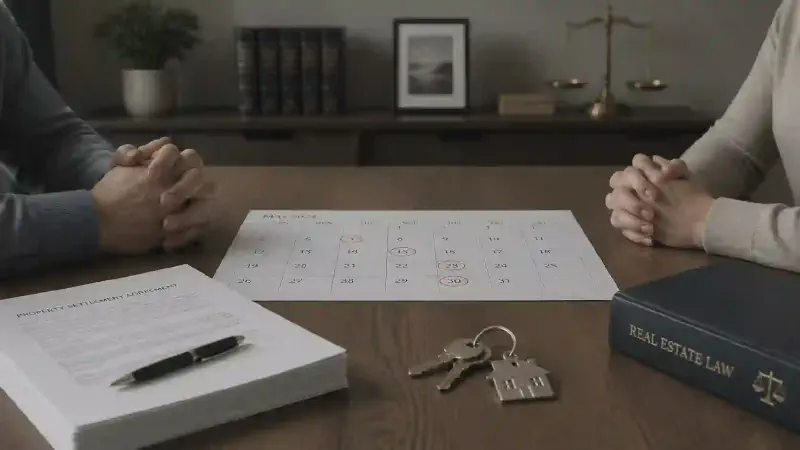
Most people are surprised to learn that property settlement rights do not last forever after separation. In Australian Family Law, strict time limits apply, and missing them can permanently change how your property is divided. For married couples, the key date is the divorce, not the day you first slept in separate rooms. You generally have 12 months from the date the divorce order becomes final to file a property settlement application in court. De facto couples, by contrast, usually have a two‑year window from the date of separation to start proceedings, regardless of whether they have ever married.
Married couples – the 12‑month post‑divorce limit
For married couples, the law ties the property deadline to the divorce rather than the first argument or the day someone moved out. Once the divorce is granted and becomes final, a 12‑month clock starts ticking. Within that period, either party can ask the court to divide their property. If no application is filed before the deadline, you must seek the court’s permission to apply out of time and prove hardship or other compelling reasons.
Importantly, you do not need to wait for divorce to sort out your finances. Many couples reach a property settlement before they ever file for divorce. The time limit is the last date to start proceedings, not the earliest date you can negotiate.
De facto couples – the two‑year separation window
For de facto relationships, the key reference point is separation itself. Once you have separated from a de facto partner, you generally have two years to start a property settlement application. If you wait longer than two years, you must ask the court for permission to proceed and explain why a late claim is justified. The court looks at factors like hardship and whether there was an ongoing dispute or misunderstanding about the separation.
Because de facto relationships can be contested – one person may claim there was no de facto relationship at all or that it ended far earlier – evidence such as joint leases, bank accounts and witness statements often matters when the court decides whether the two‑year window has expired.
What if you miss the deadline?
If you apply after the deadline, you cannot rely on a simple request. You must formally ask the court for leave to proceed out of time and show that refusing your claim would cause significant hardship. The court will weigh the reasons for the delay, the strength of your claim, and whether the other party would suffer unfair prejudice if the case went ahead.
Because these applications are discretionary, there is no guarantee the court will let you proceed late. That is why understanding and respecting the 12‑month and two‑year limits is critical, especially where there are homes, businesses, or future inheritances at stake.
See also
- Family Law series – /legal-matters/drones-rental-cars-parenting-relocation-legal-questions-18-august-2026/
- Property pools and contributions – /legal-matters/drones-rental-cars-parenting-relocation-legal-questions-18-august-2026/
- Separation and case studies – /legal-matters/drones-rental-cars-parenting-relocation-legal-questions-18-august-2026/
- Family Law Act 1975 (Cth) ss 4AA, 79, 90SM.
https://www.legislation.gov.au/Series/C2004A00292
Need Specific Legal Advice?
The answers above are general. For advice tailored to your specific situation, contact our Southport solicitors today.
Enquiry Sent
Thank you. Our team will contact you shortly.